Solar Perth WA, Australia: A Complete Guide to Smarter Solar Energy for Your Home
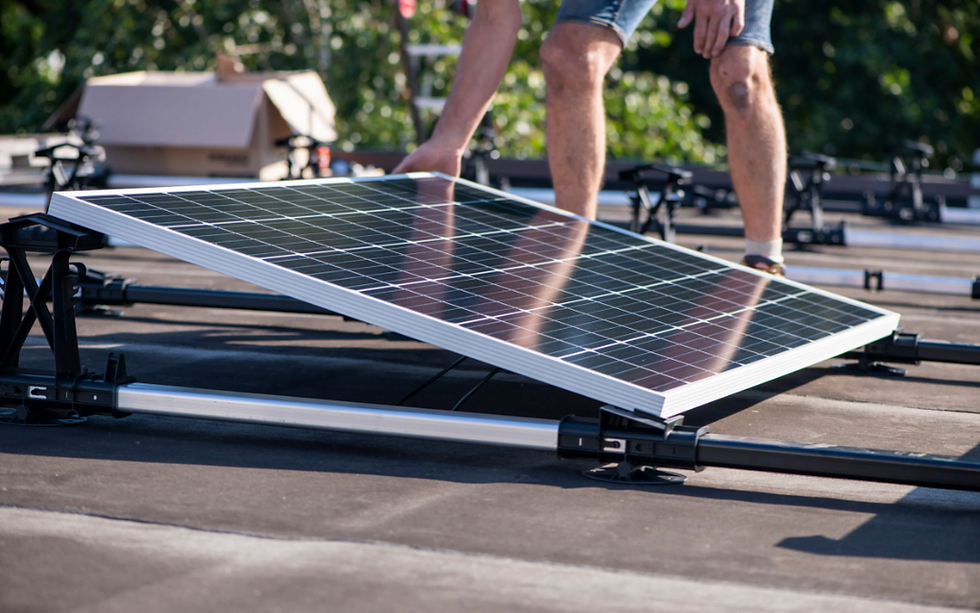
Solar energy has become an increasingly attractive option for homeowners and businesses looking to reduce electricity expenses, improve energy efficiency, and make more sustainable choices. With abundant sunshine throughout much of the year, Perth offers favourable conditions for generating renewable electricity from rooftop solar systems. Choosing solar perth wa, australia, can help property owners make better use of natural sunlight while reducing their dependence on electricity supplied by the grid.
Installing a solar power system involves more than simply placing panels on a roof. It requires careful planning, appropriate equipment selection, professional installation, and an understanding of household electricity consumption. Factors such as roof orientation, shading, inverter capacity, battery storage, and daily energy usage can all influence system performance.
Whether you own a family home, manage a commercial property, or are planning an energy-efficient new build, understanding how solar technology works can help you make an informed investment. By comparing equipment quality, installation standards, warranties, and long-term service options, you can identify a solution that suits your property and financial goals.
Why Perth Is Well Suited to Solar Power
Western Australia receives substantial sunlight, making rooftop solar a practical option for many residential and commercial properties. Solar panels convert sunlight into direct current electricity, which an inverter converts into alternating current for use by household appliances and other electrical equipment.
The amount of electricity a system generates depends on several variables, including panel capacity, roof direction, installation angle, weather conditions, shading, and equipment efficiency. A professionally designed system accounts for these factors rather than relying on the size of the system alone.
Solar perth wa, australia, is relevant to households that want to take advantage of daytime sunshine to power air conditioning, refrigeration, washing machines, computers, and other electrical appliances. Businesses can also benefit by matching solar generation with operating hours, particularly when electricity demand is highest during daylight.
Another advantage is the opportunity to reduce exposure to changing electricity prices. Although solar cannot eliminate every electricity expense, generating power on-site can lower the amount purchased from the grid. The actual savings depend on the property's consumption patterns, the electricity tariff, the system's performance, and how much generated energy is used directly.
Understanding the Main Components of a Solar System
A reliable solar installation combines several components that work together to produce and manage electricity. Understanding their functions makes it easier to compare quotes and assess the value of different system designs.
Solar Panels and Energy Generation
Solar panels capture sunlight and convert it into electrical energy. Their output rating, efficiency, temperature performance, product warranty, and degradation rate are important considerations when selecting equipment.
Modern panels are designed to deliver consistent performance over many years, but their output can vary with temperature, dust, shading, and installation conditions. Higher-efficiency panels may be useful when roof space is limited, while a larger roof may accommodate a more cost-effective arrangement of standard-efficiency products.
Homeowners should compare the complete panel specification rather than focusing only on the advertised wattage. Product reliability, independent certification, manufacturer support, and warranty conditions also matter.
The Role of an Inverter
The inverter converts the direct current generated by solar panels into alternating current that can power household appliances. Its capacity and design influence how efficiently the system operates and how it responds to changes in sunlight.
String inverters are commonly used in residential installations, while microinverters and power optimisers may be appropriate for roofs with multiple orientations or partial shading. Each configuration has advantages and limitations, so the best choice depends on the roof layout, budget, and system requirements.
An installer should explain inverter compatibility, monitoring features, safety protections, and warranty coverage before installation begins. Reliable monitoring can help property owners understand daily generation and identify unusual performance changes.
Battery Storage for Greater Energy Independence
A solar battery stores electricity generated during the day for use when solar production falls, including during the evening. This can be especially useful for households that consume significant amounts of electricity after sunset.
Battery suitability depends on usable storage capacity, power output, efficiency, expected cycling, warranty conditions, and installation cost. A larger battery is not automatically the best choice; it should match the household's actual energy requirements.
For some properties, a battery can increase self-consumption and provide selected backup functions when the system is configured for backup operation. However, not every battery installation supplies power during a grid outage. Homeowners should confirm whether backup capability is included and which circuits will remain operational.
Battery owners should also consider future needs, such as adding an EV charger, increasing household occupancy, or installing additional electrical appliances. Planning for these possibilities can prevent unnecessary equipment replacement later.
Choosing the Right Solar System for Your Property
Every property has a different energy profile. A household with several occupants and regular daytime electricity use may need a different system from a small home that remains empty during working hours.
Before selecting a system, review electricity bills from different seasons and identify when the property consumes the most energy. Air conditioning, pool pumps, electric hot water systems, home offices, and electric vehicle charging can all affect demand.
A solar assessment should consider the following factors:
-
Average daily electricity consumption and seasonal variations.
-
Available roof space, orientation, pitch, and shading.
-
Existing electrical infrastructure and switchboard condition.
-
Expected daytime energy use and evening demand.
-
Whether battery storage or future EV charging is required.
-
Equipment warranties, installation workmanship, and ongoing support.
The system should be sized according to realistic energy needs rather than the largest capacity that fits on the roof. Oversizing may increase upfront costs without delivering proportional financial benefits if much of the generated electricity is exported at a lower value than the electricity purchased from the grid.
For a property with substantial daytime demand, a well-designed grid-connected system may provide strong value without a battery. For a household with significant evening consumption, battery storage may deserve closer consideration.
Finding a Reliable Solar Installer in Perth
Selecting an experienced installer is one of the most important parts of a successful solar project. Equipment specifications matter, but installation quality, electrical safety, system design, and after-sales support can significantly affect the long-term experience.
When researching the best solar company in perth, homeowners should look beyond promotional pricing and compare the complete service offering. A detailed quote should identify the panel and inverter models, system capacity, mounting equipment, installation scope, applicable warranties, and any additional electrical work.
It is also worth checking the installer's relevant Australian electrical licensing and accreditation for the work being undertaken. Where applicable, ask whether the installer and system meet the requirements associated with government incentives and grid connection.
A trustworthy provider should explain the expected energy output using reasonable assumptions, discuss potential shading issues, and make the limitations of the proposed system clear. Be cautious of guaranteed savings that are not supported by your consumption data and electricity tariff.
Customer reviews can provide useful insights into communication, punctuality, workmanship, and how warranty problems are handled. However, reviews should be considered alongside documented credentials, product information, and the clarity of the written agreement.
Ask the installer who will carry out the work, who is responsible for grid connection arrangements, how monitoring will be configured, and whom you should contact if the system develops a fault. Clear answers can help distinguish a comprehensive solar service from an offer focused mainly on making the initial sale.
Solar Rebates, Government Support, and Financial Planning
The initial cost of a solar installation can be an important consideration, particularly for households comparing different system sizes or considering battery storage. Government incentives may help reduce eligible upfront costs, but the rules and amounts can vary according to the equipment, installation date, property, and applicable scheme.
In Australia, eligible small-scale solar installations may qualify for support through the Small-scale Renewable Energy Scheme, which operates through small-scale technology certificates. The financial benefit is commonly reflected in the installation price when the system and installation meet the applicable requirements. Eligibility should be confirmed before signing a contract.
A rebate or incentive should never be assumed to apply automatically. Ask the installer to explain which incentives have been included in the quote, how the benefit is calculated, and whether any eligibility conditions or documentation are required.
Battery incentives may operate under separate arrangements, and their availability and conditions can change. Before committing to storage, verify the current rules with the relevant official government source and check whether the quoted price already reflects any applicable benefit.
Financial planning should include the total installed price, potential electricity bill reductions, maintenance expenses, inverter replacement possibilities, battery degradation, and the expected period of ownership. A payback estimate is more meaningful when it uses realistic assumptions about electricity prices, self-consumption, export payments, and system output.
Comparing two or three itemised quotes can help reveal differences in equipment quality, warranty coverage, installation standards, and included services. The lowest upfront price may not provide the best long-term value if it comes with limited support or unsuitable equipment.
https://www.energy.gov.au/solar/solar-retailers-and-installation/choose-your-solar-retailer-and-installer
https://www.wa.gov.au/organisation/energy-policy-wa/energy-buyback-schemes
https://cleanenergycouncil.org.au/for-consumers
https://www.energy.gov.au/solar/financial-benefits-solar/government-rebates-and-loans-solar
https://www.productreview.com.au/listings/fritts-solar